 Skip to content
Your plumbing system is the backbone of your home’s water supply, yet it often goes unnoticed until problems arise. Low water pressure, discolored water, or frequent leaks can all point to a serious underlying issue: aging or corroded pipes. In such cases, a whole-house repipe is often the best long-term solution. While repiping your entire home may sound overwhelming, understanding the steps involved can help you prepare and make informed decisions.
Many homeowners are surprised to learn how methodical and efficient the repipe process can be when handled by experienced professionals. An entire home repipe can significantly improve your property’s value, water quality, and plumbing performance with minimal disruption and long-lasting results.
Step 1: Evaluation and Planning
The first step in any repipe project is a comprehensive plumbing evaluation. A licensed plumber will inspect your current system and determine the extent of damage or deterioration. This assessment includes checking for leaks, water discoloration, pressure inconsistencies, and outdated materials like galvanized steel or polybutylene.
According to The Family Handyman, older homes are especially prone to hidden pipe corrosion, which can compromise the entire system. This inspection ensures that every necessary area is covered and that the new piping layout will meet modern code requirements.
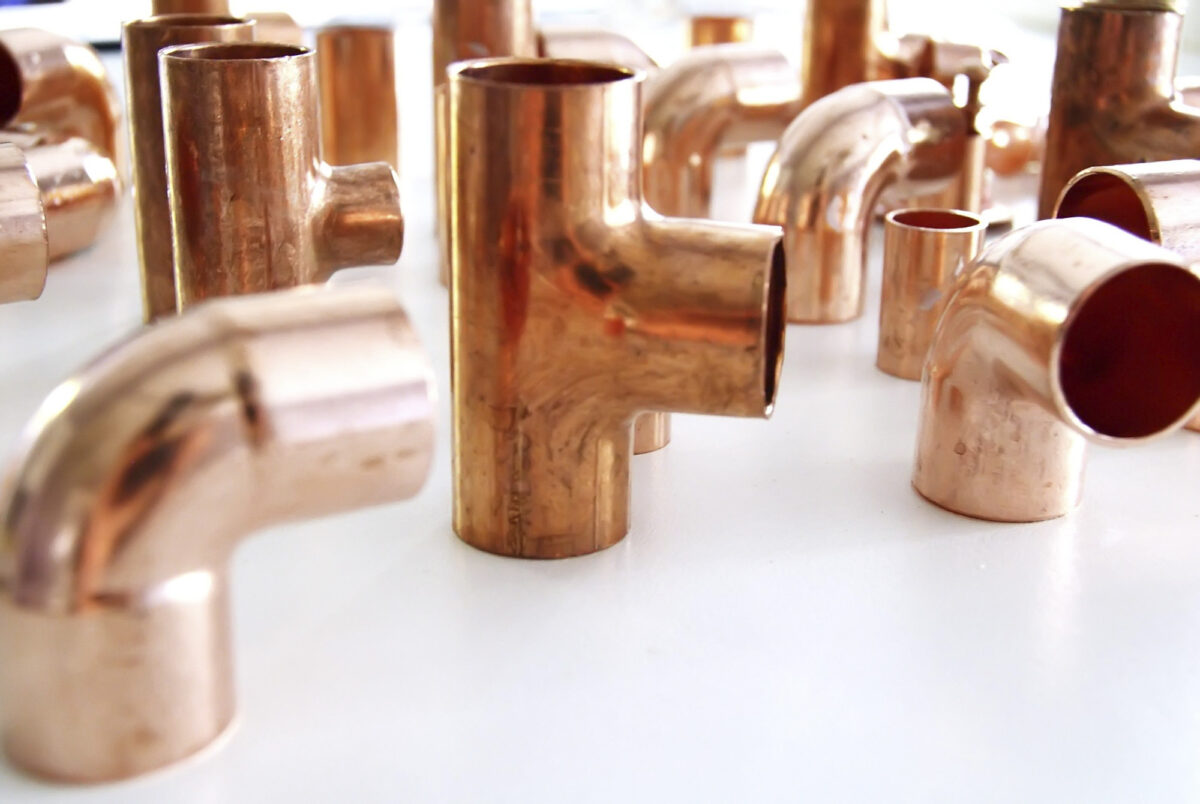
During the planning phase, the plumber will also decide which piping material best suits your home—commonly copper, PEX (cross-linked polyethylene), or CPVC. Each material has its pros and cons depending on your budget, water quality, and local climate.
Step 2: Water Shut-Off and Prep Work
Before any work begins, your home’s water supply is safely shut off. The plumber will then cover furniture and floors to protect your home from dust and debris. Drywall sections may be marked for cutting, typically in areas with easy access to plumbing such as under sinks, behind toilets, or in utility rooms.
This preparation step is vital to ensure the project runs efficiently and safely. It also helps keep the rest of your home clean during the repipe process.
Step 3: Removing Old Pipes
Once everything is prepped, the removal of old piping begins. This involves cutting small sections of drywall and carefully extracting the outdated or corroded pipes. If your home has galvanized steel piping, removal is especially critical, as this material is known for accumulating rust and sediment over time, leading to major flow restrictions.
Proper removal also ensures that no remnants of the old system remain to interfere with the performance of the new one.
Step 4: Installing the New Pipes
The new plumbing lines are installed according to the layout established during the planning phase. Plumbers use color-coded tubing for cold and hot water lines to simplify identification. These pipes are routed through walls, ceilings, and crawl spaces with precision, minimizing the need for extensive drywall repair later.
For homeowners concerned about health and environmental factors, this article from Healthline discusses how certain older pipe materials may affect drinking water safety and how modern replacements offer better long-term reliability.
Step 5: Pressure Testing and Inspection
After installation, the new system undergoes rigorous pressure testing to ensure there are no leaks and that water flow is consistent throughout the house. In many jurisdictions, an official inspection is required to verify that the installation meets all local plumbing codes.
This step provides peace of mind, confirming that your new pipes are ready for long-term use.
Step 6: Patching and Restoration
Once the system has been tested and approved, plumbers will seal up the drywall, patch any holes, and return your home to its previous condition. Reputable professionals will take care to ensure a seamless restoration, with minimal disruption to your daily routine.
Step 7: Clean-Up and Final Walkthrough
The final step includes a full cleanup of the worksite and a walkthrough of the repiping project. Your plumber will explain any new features of the system, answer your questions, and make sure you’re satisfied with the outcome. This is also when they may recommend maintenance tips to extend the life of your new piping system.
When Should You Consider a Whole House Repipe?
While repiping is a major project, there are clear signs that indicate when it’s time to consider it:
- Persistent pipe leaks or bursts
- Water with a rusty color or metallic taste
- Frequent clogs or low water pressure
- Noisy plumbing or banging sounds in the walls
- An aging home with outdated plumbing materials
If you’re experiencing one or more of these symptoms, it’s better to act sooner rather than later. The longer faulty pipes remain in place, the greater the risk of serious water damage and health hazards.
Ideal Services – Whole House Repipe Experts in Las Vegas
Whole house repiping may sound like a significant undertaking, but when done by professionals, it brings lasting benefits to your home’s plumbing infrastructure. For homeowners in Las Vegas, Ideal Services offers reliable, efficient, and high-quality repiping solutions that restore water flow, eliminate leaks, and increase peace of mind. Let our experienced team ensure your home’s plumbing system is built to last.
