 Skip to content
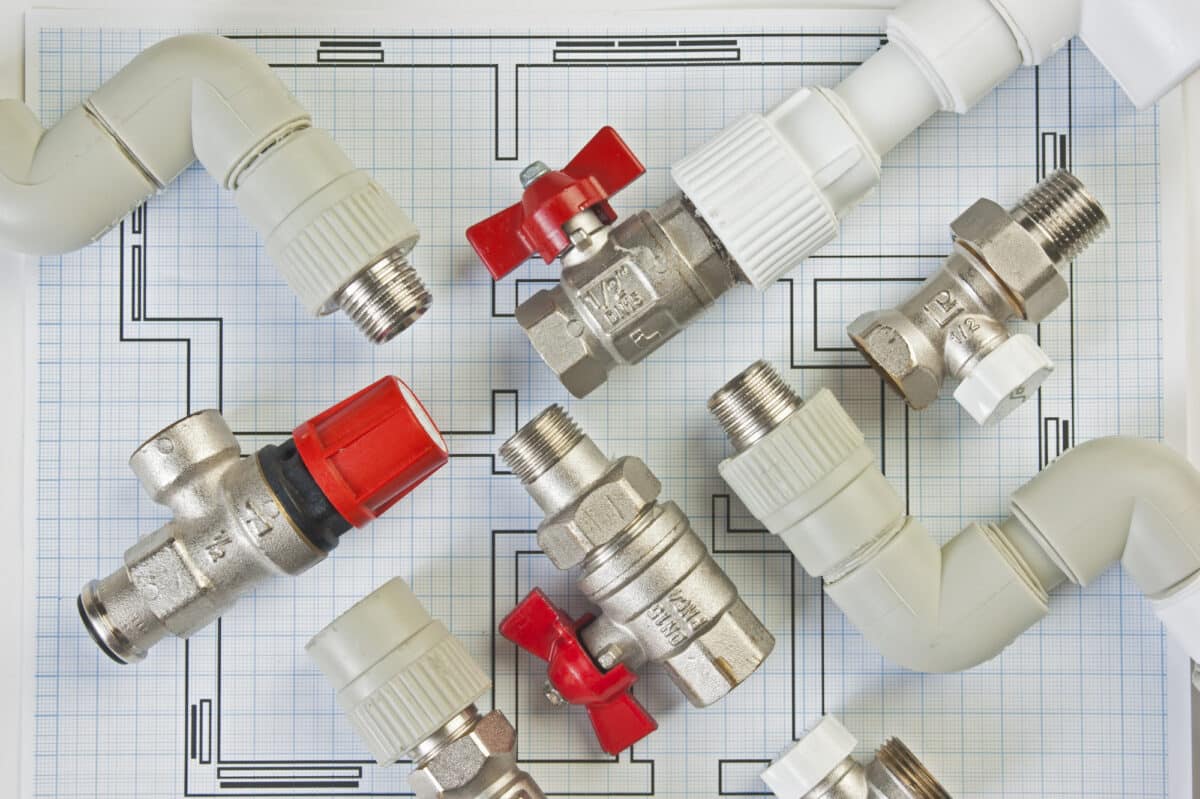
Most homeowners don’t think about their plumbing pipes until something goes wrong. But over time, your home’s pipes wear out just like roofing, electrical systems, or appliances. Leaks, corrosion, discolored water, and pressure problems often signal that your plumbing system is deteriorating from the inside. When these issues appear throughout the home—not just in one location—a whole house repipe may be the most effective long-term solution.
According to The Spruce, older plumbing materials like galvanized steel and polybutylene degrade over time, making repiping necessary to prevent major leaks. Family Handyman explains that aging pipes often cause water discoloration, poor pressure, and frequent leaks. Meanwhile, Consumer Reports reports that hidden pipe leaks are among the most expensive sources of water damage in U.S. homes.
Common Signs Your Home Needs Repiping
A few isolated plumbing problems don’t automatically mean you need a full repipe. But widespread or recurring issues often indicate that your pipes are failing. Warning signs include:
- Frequent leaks appearing in different areas of the home
- Low water pressure throughout the property
- Rust-colored or discolored water
- Metallic taste in your tap water
- Visible corrosion on exposed pipes
- Frequent pipe bursts or emergency repairs
- Unexplained spikes in water bills
These problems typically worsen with time, making repiping a smart preventative choice.
Why Pipes Wear Out Over Time
Even high-quality plumbing materials have a limited lifespan. Common causes of pipe deterioration include:
- Corrosion from minerals, chemicals, and oxygen exposure
- High water pressure stressing joints and fittings
- Hard water buildup reducing pipe diameter
- Soil movement around underground plumbing
- Older materials such as galvanized steel or polybutylene
As pipes age, the risk of leaks increases dramatically—especially in homes built before the 1990s.
Why Whole House Repiping Is Often Cheaper Long-Term
Many homeowners put off repiping because they fear the cost or disruption. But repeatedly repairing leaks becomes much more expensive over time. A whole house repipe provides several long-term benefits:
- Eliminates future pipe leaks
- Improves water pressure throughout the home
- Prevents water damage and mold growth
- Improves water clarity and quality
- Increases home value and reliability
Instead of paying for constant repairs, repiping gives you a fresh, reliable plumbing system that lasts decades.
What Happens During a Repipe
A professional repiping project typically includes:
- A full plumbing system evaluation
- Replacing old pipes with modern PEX or copper
- Installing new shut-off valves and supply lines
- Protecting walls, floors, and fixtures during the process
- Restoring water flow and testing for leaks
Most repiping projects are completed faster than homeowners expect, with minimal disruption when handled by an experienced team.
Why DIY Pipe Replacement Isn’t Safe
Replacing pipes requires cutting into walls, working with pressurized lines, and ensuring all connections meet code. DIY attempts often result in:
- Leaks hidden behind walls
- Improper fittings that fail under pressure
- Code violations that must be corrected later
- Significant water damage from mistakes
Because repiping is complex and safety-sensitive, it should always be left to licensed professionals.
How to Extend the Life of New Pipes
Once your home is repiped, proper maintenance helps ensure long-lasting performance. Homeowners can:
- Monitor water pressure levels
- Use a water softener if necessary
- Avoid chemical drain cleaners
- Schedule annual plumbing inspections
These steps protect both new and existing plumbing components.
Your Las Vegas Experts for Whole House Repipe
When aging pipes, leaks, or corrosion threaten your home, Hire The Hippo provides expert Whole House Repipe solutions designed for long-term reliability. For professional craftsmanship, fast service, and peace of mind, reach out anytime through our Contact Us page for immediate assistance.
